
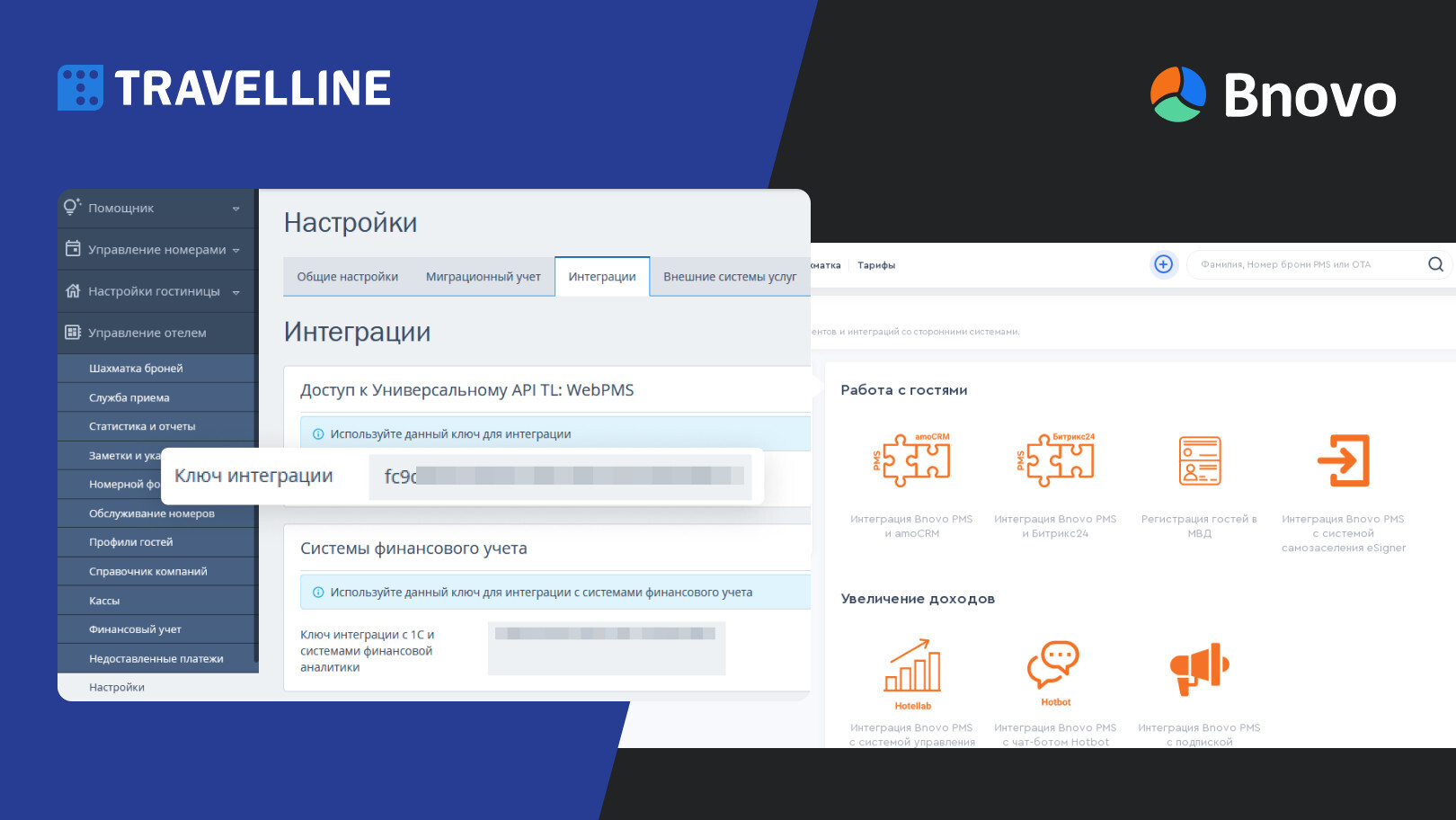
When you create a multilingual website on Tilda, most of the content is translated via proxy — texts, buttons, headings. But widgets are a different story. TravelLine, Bnovo, JivoSite, payment widgets — they are embedded as external code and operate by their own rules.
Why Widgets Are Not Translated Automatically
Widgets are connected via iframe or JavaScript from an external service. From your site's perspective, it's a "black box" — you only allocate the space where the widget will appear, and the content is rendered from the provider's servers.
Proxy translation works with your HTML content. It does not affect the content of iframes from an external domain.
This is not a bug — it's an architectural feature. The solution for each widget is unique.
TravelLine
TravelLine is a booking system for hotels. The booking widget is embedded into Tilda via JavaScript code from the TravelLine personal account.
How to set up multilingualism:
TravelLine supports several interface languages. Widget language switching occurs via a parameter in the connection code or automatically by browser language — depending on the version and settings of your personal account.
Algorithm: 1. In your TravelLine personal account, activate the desired languages 2. Check the language transfer parameters in the widget code 3. On different language versions of the site, use the code with the appropriate language parameter
Details — in a separate article:
Bnovo
Bnovo is an alternative booking management system. The principle is the same: the widget is embedded via JavaScript.
Bnovo supports several interface languages. In most cases, the widget language switches automatically based on the user's browser language.
Other Widgets
Chats (JivoSite, Intercom, Tidio). Most chat widgets support automatic language switching based on browser locale. Configured in the service's personal account.
Payment widgets (YooKassa, Robokassa, Stripe). Stripe switches automatically. Russian providers — usually only Russian. For an international audience, this should be considered in advance.
Map widgets (Google Maps, Yandex Maps). Google Maps switches by browser language. Yandex Maps is primarily Russian-speaking.
Review widgets (Trustpilot, Yandex Reviews). Trustpilot supports multilingualism. Yandex Reviews is only for a Russian-speaking audience.
General Principle
Before launching, go through each widget: in which languages it works natively, whether it switches automatically or needs a parameter in the code, and what a user from another country will see if nothing is configured. It's better to discover a problem before launch than after.
Frequently Asked Questions
Is the booking widget automatically translated when the website language changes?
It depends on the widget. TravelLine and Bnovo support language switching via a parameter in the code or by browser language. You need to check the personal account settings of each service.
What if the widget only supports Russian?
Consider replacing it with an international equivalent for the target markets, or use the widget only on the Russian version, and for other languages — an alternative communication method (form, phone).
Does an iframe widget affect the loading speed of a multilingual website?
A widget in an iframe loads from the provider's servers independently of the main site. It does not affect the speed of the main page, but it can load slowly itself depending on the service.
How does Google index widget content on a page?
Google does not index the content of an iframe from an external domain as content of your page. For SEO, widgets are neutral — the textual content of the main page is important.